
A seaside town on the banks of the North Clyde, Helensburgh is the birthplace of a former British Prime Minister and that guy who invented the thing all your furniture is pointed at but more importantly, as far as Scottish football history is concerned, was also the home of Helensburgh Football club, who played in the Scottish Football league for three seasons in the 1920’s.
Helensburgh Football Club attained Scottish Football league status, much like nearby Dumbarton Harp in 1923. The club applied to join the ill-fated Scottish Third Division, however unlike Dumbarton Harp, who failed in their obligation to complete fixtures in their second season due to financial woes, Helensburgh fulfilled their fixtures and finished 3rd in their final season in the Scottish Football league.
The club played their football at Ardencaple park, located in the north of the town close to the ruins of Ardencaple Castle, about a 10 minutes walk from Helensburgh Upper railway station and was a good 15-20 minute walk from the Clyde coast
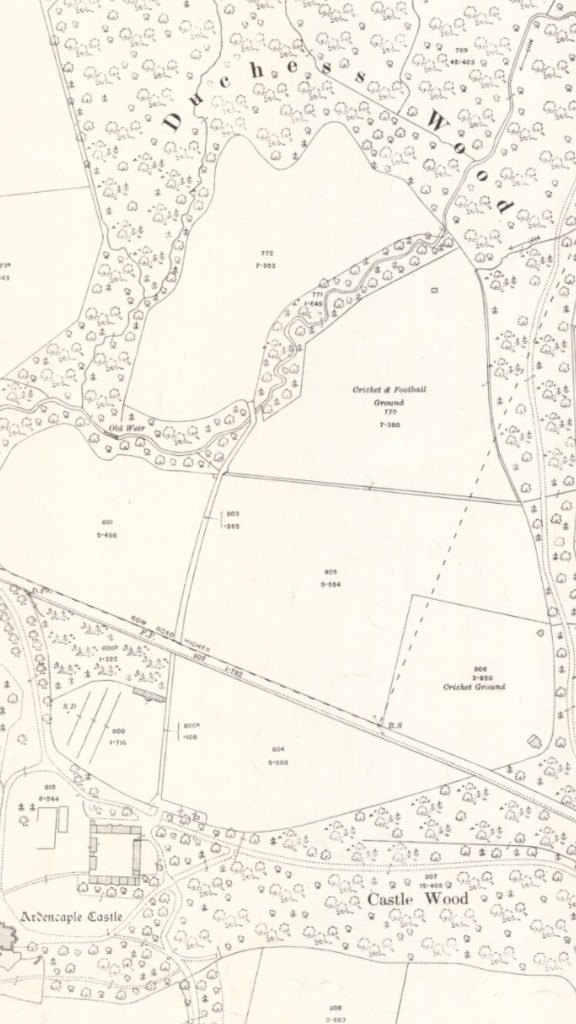
The site in now the home of Helensburgh Rugby club and Helensburgh Cricket club, noting that the ground was used for Cricket back when Helensburgh played in the Scottish League. It is a large piece of ground and it may have been separate parks as is at the moment with the several Rugby fields and a cricket ground. There was a small wooden stand, which I wouldn’t imagine has been erect since the 1920’s and was in place to watch Helensburgh games but it does appear to be a fair age. There doesn’t appear to be any structures surrounding the grounds in the survey map above and it would appear that spectators may have viewed the games from around the sides of the parks.

The 3 seasons that Helensburgh played in the Scottish Football league, they improved on every season finishing 3rd in their final season, although I have seen a league online with them finishing top of the 3rd Division, i’ll stick with Bob Crampsey’s superior knowledge on the subject.
Helensburgh, with a population of around 15,000, may have struggled like many former teams in the close by Dunbartonshire area to remain a professional team, however in their last season, Forfar, who played in the Third Division also before its demise, had been re-elected to join the 2nd Division. Forfar with a similar sized population have managed to sustain football league status since and its strange that Helensburgh were not re-admitted after the collapse of the Third Division.
The failure to keep Scottish Football league status ultimately led to the demise of the seaside town club, folding just a few years later. Maybe there just wasn’t an appetite in the town for a professional team but they will forever have a place in the Scottish Football league records forever more.
Until next time
The 42

 The 42